Most stores don’t start losing money after opening. They lose it before.
When shelves are chosen only to fit the walls, the checkout counter only because it was on offer, or refrigeration furniture only for the remaining space, the store becomes a place where products exist — but don’t sell naturally.
A good store is not the result of investment. It is the result of the order of decisions. Customers don’t see your layout plan, but they feel it.
If they move easily, they buy more. If they stop often, they buy less. If they have to search, they give up.
That’s why equipping a store doesn’t begin with shelves. It begins with the path.
1. Customer Flow — the invisible skeleton of the store
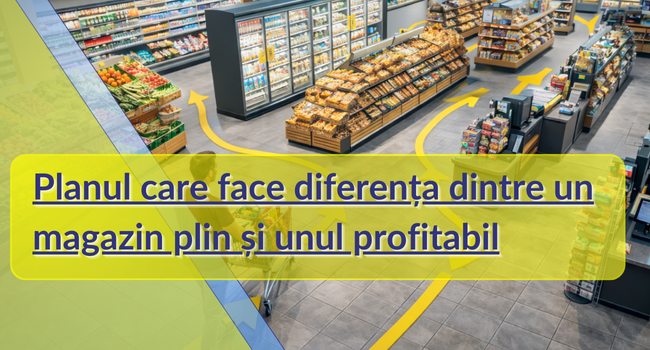
The first thing to establish is not what goes into the store, but how people will move through it. An efficient store doesn’t guide customers through categories, but through states: orientation, discovery, selection, confirmation, impulse.
A common mistake is placing essential products near the entrance. The customer takes them and leaves. The store becomes a transit point instead of a shopping space. A correct flow makes them cross the store before reaching them.
2. Furniture — not storage, but interface
Shelves are where decisions are made, not where stock fits. When furniture is chosen only by size, dead zones appear: too low, too high, too crowded or too deep. Products exist, but they don’t participate in selling.
Proper furniture creates visual rhythm. The customer sees categories, not objects.
Essential furniture categories
Shelving and display systems
-
modular metal shelving
-
promotional end caps
-
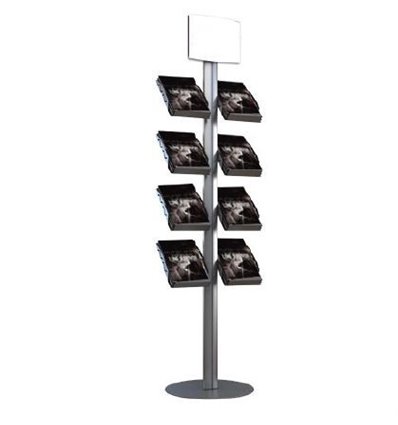
multi-level duplex display systems
-
central gondolas
Refrigeration furniture
-
vertical traffic coolers
-
volume chest freezers
-
strategically positioned cold zones
Checkout area
-
ergonomic counters
-
impulse product zones
-
waiting space without blockage
3. Signage — the silent language of the store
A good store shows, it doesn’t explain. Customers don’t read a store — they scan it. Within seconds they must understand where they are and what deserves attention.
Signage doesn’t only mean promotions. It means orientation.
Essential visual communication elements
-
clear price rails
-
wobblers and promotional flags
-
display frames
-
suspended poster profiles
-
entrance people stopper
A visible product sells. An explained product tries to sell.
4. Shelf organization — the difference between choosing and giving up
Customers want to decide, not compare. When shelves are organized like storage, mental effort appears: searching for price, turning products, checking variants. After a few such situations, they begin skipping entire categories.
A good shelf doesn’t look full — it looks clear.
Accessories that increase readability
-
shelf dividers
-
automatic pushers
-
acrylic fronts
-
electronic labels or continuous price rails
The shelf should not convince the customer. It should quickly confirm their choice.
5. The impulse zone — the last meters, the biggest difference
After finishing the mental shopping list, relaxation appears. This is where additional purchases happen. Most stores treat checkout as an ending point.
Good stores treat it as an opportunity zone.
Suitable products
-
small sweets
-
batteries
-
quick accessories
-
compact seasonal products
The last 30 seconds can change the basket value more than a major promotion.
6. What must be decided before the first stock order
Correct project order:
-
customer path
-
hot and cold zones position
-
furniture
-
signage
-
shelf accessories
-
only then assortment
Reversing this order costs years of adjustments.
A store doesn’t open when products arrive. It opens when customers instinctively understand how to shop in it. When space guides them naturally, shopping feels easy and natural. They don’t stop to think, hesitate or turn back — they move forward and add.
Profitable stores are not the biggest nor the most expensively furnished. They are the ones where every meter has a clear role in the story of buying.
Because in retail, success doesn’t happen when you open the door. It happens when customers don’t feel the need to leave quickly.