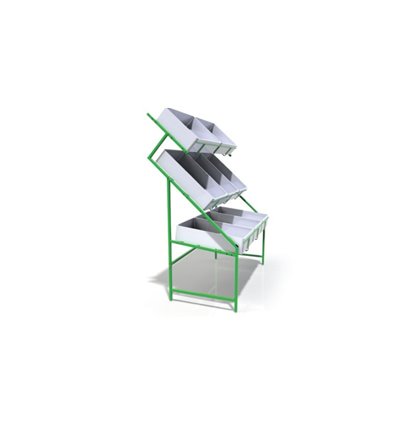
Effective merchandising is essential for any store, supermarket or hypermarket. The way products are displayed can decisively influence sales. In this article, we'll explore some key merchandising strategies that will help you optimize product exposure and increase sales.
1. Understand customer behavior
To apply effective merchandising strategies, it is crucial to understand customer behavior. Observe how they move around the store and where they spend the most time. This information will allow you to place your products in strategic locations where they are most likely to be seen and purchased.
2. Use areas of interest
In any store, there are areas of interest that attract more attention. These include the entrance, shelf ends and cash registers. Place impulse products, special promotions and news in these areas to maximize visibility and drive sales.
3. Organization of products by category
A clear and logical organization of products by category helps customers quickly find what they are looking for. Grouping similar products together makes navigation easier and improves the shopping experience. They also create themed or seasonal sections to stimulate interest and encourage impulse purchases.

4. Use effective signage
Signaling is a powerful tool for merchandising. Clear price tags, discount signs and section indications help customers find their way easy in the store. Use signage to highlight products on sale and guide customers to the most popular sections.
5. Create an engaging visual experience
The visual appearance of the store plays a crucial role in attracting customers. Use pleasant colors and aesthetic arrangements to create a pleasant atmosphere. Make sure the shelves are well stocked and tidy. A clean and well-organized store inspires confidence and improves the customer's perception of the brand.
6. Optimize lighting
The right lighting can completely transform the look of a store. Use lights to highlight important products and create a warm and welcoming atmosphere. Avoid dark areas and make sure all products are well lit to attract customers' attention.
7. Implementation of cross-merchandising
Cross-merchandising involves placing complementary products next to each other to encourage multiple purchases. For example, place sauces next to pasta or bread next to cheeses. This strategy helps customers discover new products and complete their shopping basket with relevant articles.
8. Update the store layout
frequently
A static layout can become boring for customers. Change the arrangement of shelves and display cases frequently to maintain interest. Update exposures based on seasonality, trends and customer feedback. Thus, you will create a dynamic and captivating experience.

9. Test and measure efficiency
There is no one-size-fits-all strategy that works for all stores. Test different exposure methods and analyze the results. Measure sales and customer feedback to identify what works best. Adjust your strategies based on this data to maximize effectiveness.
10. Invest in employee training
Well-trained employees are essential to the effective implementation of merchandising strategies. Make sure your team understands the importance of good merchandising and is able to apply all the techniques correctly. The regular organization of trainings and training sessions will contribute to increasing the professionalism and efficiency of your team.
So, implementing effective merchandising strategies can radically transform your store's sales. Understanding customer behavior, using areas of interest, clearly organizing products and creating a pleasant visual experience are just some of the techniques that can help you achieve your goals. Constantly test, measure and adjust your approach to maximize results.
Related products