


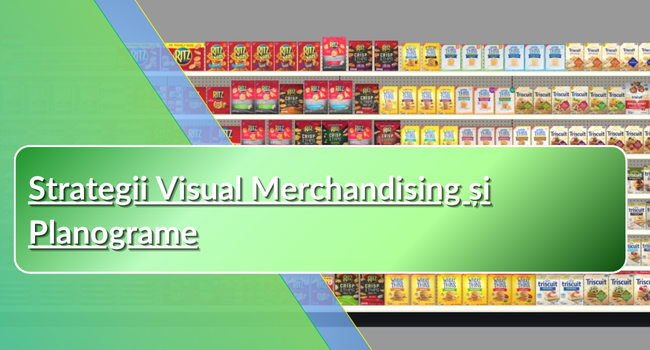
Planograms have become essential tools for retailers looking to optimize store space, increase sales, and enhance the customer experience. A well-designed planogram strategically arranges products on shelves based on seasonality, demand, and shopper behavior, turning every inch of space into a profit zone.
What Is a Planogram?
A planogram is a visual representation of how products should be placed on shelves to maximize visibility and drive purchases. It includes shelf heights, product positioning, spacing, and visual flow.
What Does Planogramming Mean?
Planogramming is the full process of designing, executing, and evaluating a planogram. It involves store layout planning, shelving placement, execution monitoring, and performance analysis.
Visual Merchandising – Beyond Aesthetics
Visual merchandising uses the psychology of visual perception to capture customer attention and guide them through the store. Using eye-level placement, appealing packaging, lighting, and signage, retailers can encourage impulse purchases and highlight promotions.
The placement of shelves and displays is key to influencing customer flow. Strategic product locations—like the golden triangle between entry, promotional zones, and checkout—enhance buying potential.
Cross Merchandising – Complementary Sales
Cross-merchandising involves displaying related products from different categories together, encouraging customers to buy more. For example, placing snacks next to beverages or chargers near mobile phones helps boost cart value.
End-of-aisle displays and special modules are ideal for cross-merchandising strategies that increase convenience and visual interest.
Advanced Techniques: Color & Brand Blocking
- Color Blocking: Visually groups products using bold color sections to create emotional engagement and catch attention.
- Brand Blocking: Displays grouped by brand to reinforce brand identity and ensure a cohesive visual impact.
Vertical vs. Horizontal Merchandising
Vertical layouts (top to bottom) are effective for product groupings by category or size, while horizontal layouts spread products across the shelf to increase product range visibility. Combining both helps shoppers scan more efficiently and find what they need faster.
Technology in Merchandising
Modern planogram software enables accurate store planning, layout customization, implementation tracking, and performance analytics. This leads to smarter decisions and better results at the shelf level.
Thus, to conclude, Visual merchandising combined with effective planogramming transforms retail spaces into powerful sales environments. Using modular shelving, cross-merchandising units, and display accessories, retailers can influence shopping behavior and increase conversion.
Best Store Solutions offers professional equipment for merchandising and store optimization. Explore our solutions and elevate your store’s performance today!